Constantinople (Istanbul): The Crossroads of Empires
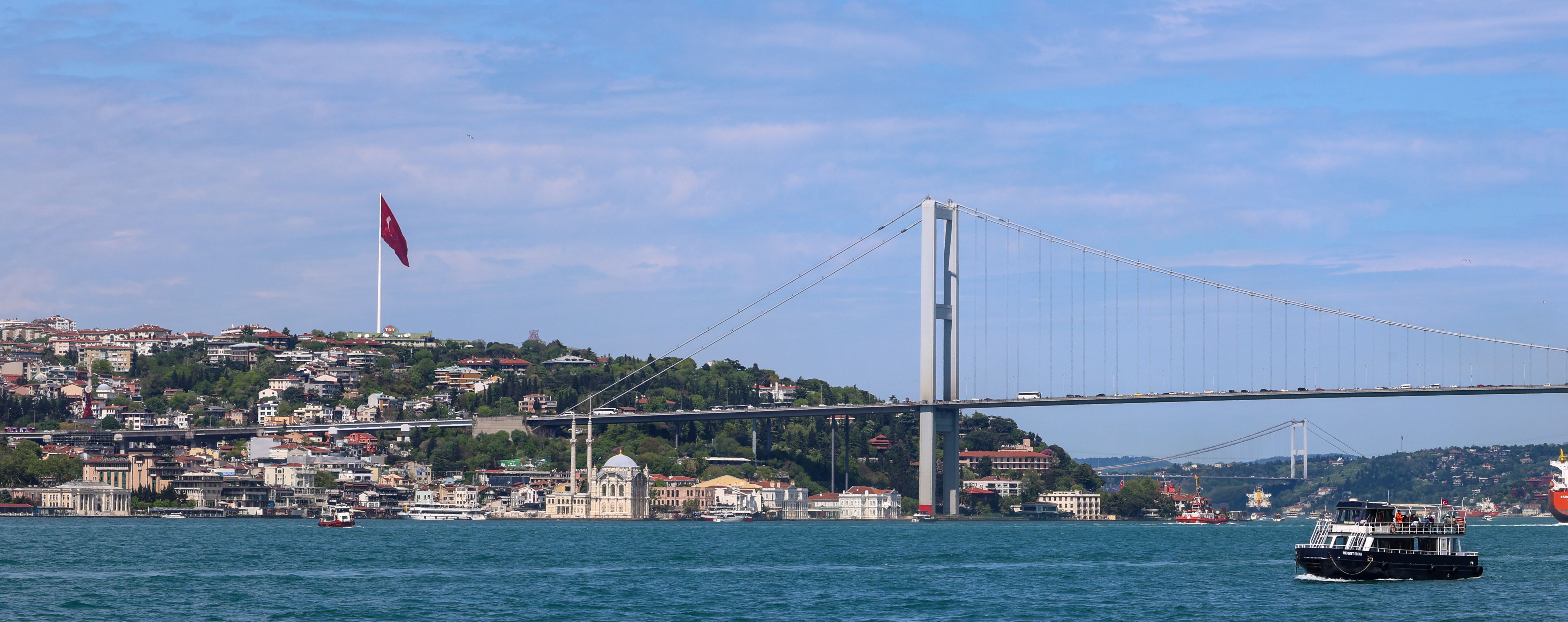
Strategically positioned between Europe and Asia, Constantinople, now Istanbul, has been a pivotal cultural and commercial nexus. As the capital of the Byzantine Empire, it preserved classical knowledge through tumultuous periods. Later, under Ottoman rule, it became a melting pot of diverse cultures and traditions. The city's iconic Hagia Sophia stands as a testament to its rich and layered history.

Constantinople's strategic location made it a coveted prize for empires, leading to its rich and tumultuous history. Founded by Emperor Constantine the Great in 330 AD, it served as the capital of the Roman, Byzantine, Latin, and Ottoman empires. The city's architectural masterpieces, such as the Hagia Sophia, reflect its diverse cultural and religious heritage. Despite numerous sieges, Constantinople's formidable walls protected it for centuries until its eventual fall to the Ottomans in 1453. Today, as Istanbul, it continues to be a vibrant metropolis that bridges East and West.